Introduction to Zendesk and Its Core Purpose
In today’s competitive business landscape, customer service has evolved from a support function into a central component of brand reputation and customer loyalty. Zendesk, a leading customer service and engagement platform, has emerged as a powerful tool designed to help businesses manage customer interactions across various channels efficiently. Founded in 2007, Zendesk offers a suite of tools that cater to companies of all sizes, enabling them to streamline customer support, improve communication, and deliver exceptional customer experiences. With its cloud-based infrastructure and customizable solutions, Zendesk allows businesses to manage inquiries through email, chat, phone, social media, and more—all from a centralized interface. The platform’s scalability and ease Zendesk of use have made it a favorite among startups, mid-sized firms, and large enterprises worldwide.
Features That Set Zendesk Apart
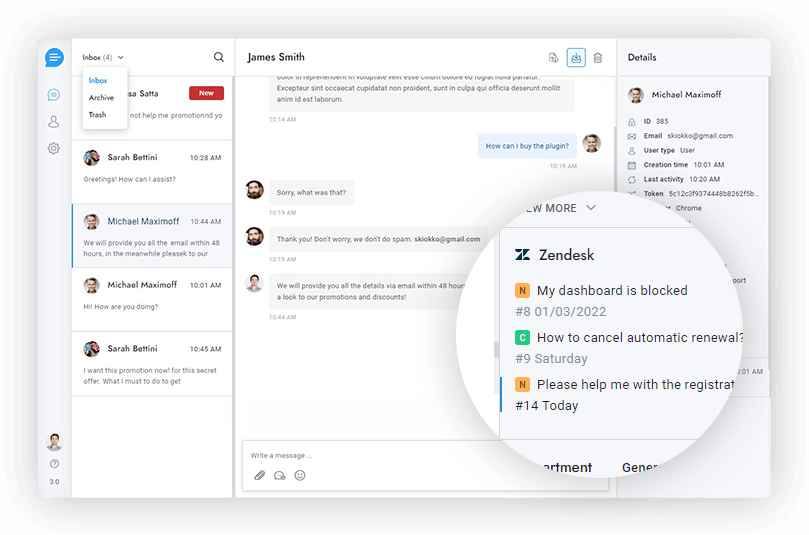
One of the primary reasons for Zendesk’s popularity is its comprehensive range of features that go beyond traditional ticketing systems. At its core, Zendesk provides a ticket management system that categorizes and prioritizes customer inquiries for efficient resolution. However, what truly distinguishes Zendesk is its omnichannel support capability, which ensures seamless communication across different platforms without losing context. For example, a customer may initiate a conversation through a chatbot, follow up via email, and conclude the issue on a phone call—all while the support agent maintains a full history of the interaction. This fluidity not only improves customer satisfaction but also enhances agent productivity.
In addition to its robust ticketing system, Zendesk offers AI-powered automation and self-service tools such as help centers and community forums. These features reduce the workload on support teams by enabling customers to find solutions independently. Furthermore, Zendesk’s analytics and reporting tools provide actionable insights that help managers monitor agent performance, customer satisfaction levels, and overall support efficiency. With advanced metrics like response time, ticket resolution rates, and customer feedback scores, businesses can continuously optimize their support strategies.
Zendesk for Different Business Needs
Zendesk’s flexibility makes it suitable for various industries, from e-commerce and SaaS companies to healthcare and education. For small businesses, Zendesk offers simplified packages that provide essential features without the complexity or cost of enterprise-level systems. These packages include basic ticketing, email support, and simple automation, allowing smaller teams to maintain high-quality service without being overwhelmed by technical setups. On the other hand, large organizations can benefit from Zendesk’s enterprise solutions, which include multi-brand support, advanced security settings, integration with CRM systems, and role-based access controls.
Moreover, Zendesk’s marketplace features hundreds of integrations and apps, including tools like Salesforce, Slack, Shopify, and Jira. This interoperability allows companies to embed Zendesk seamlessly into their existing workflows. Additionally, developers can use the Zendesk API to build custom solutions tailored to unique business requirements, offering virtually unlimited potential for customization.
Benefits of Using Zendesk in Modern Business Operations
The adoption of Zendesk brings numerous tangible benefits to modern businesses. First and foremost, it improves response times and customer satisfaction by organizing and managing communication effectively. The platform’s automation capabilities reduce the time spent on repetitive tasks, freeing up agents to handle more complex issues that require human intervention. This not only leads to faster resolution times but also helps maintain high morale among support staff.
Another major advantage is the ability to maintain consistent and personalized customer experiences. With Zendesk, support agents have access to detailed customer profiles and previous interaction history, enabling them to provide relevant solutions more quickly. This context-driven support significantly enhances the customer journey and builds trust in the brand.
Finally, Zendesk enables data-driven decision-making by providing comprehensive analytics that reveal performance trends, customer pain points, and areas for improvement. This kind of insight is invaluable for companies looking to improve their products, services, or customer support strategies.
Conclusion: Why Zendesk Remains a Top Choice for Customer Support
Zendesk has established itself as a cornerstone in the world of customer service technology by offering scalable, intuitive, and powerful tools that meet the diverse needs of today’s businesses. Its omnichannel capabilities, automation features, and deep analytics empower companies to deliver faster, more effective, and more personalized support experiences. Whether you’re a startup aiming to build customer trust or an enterprise striving to optimize support operations at scale, Zendesk offers a solution that aligns with your goals. As customer expectations continue to rise, platforms like Zendesk will play an even more critical role in shaping the future of customer engagement and support.